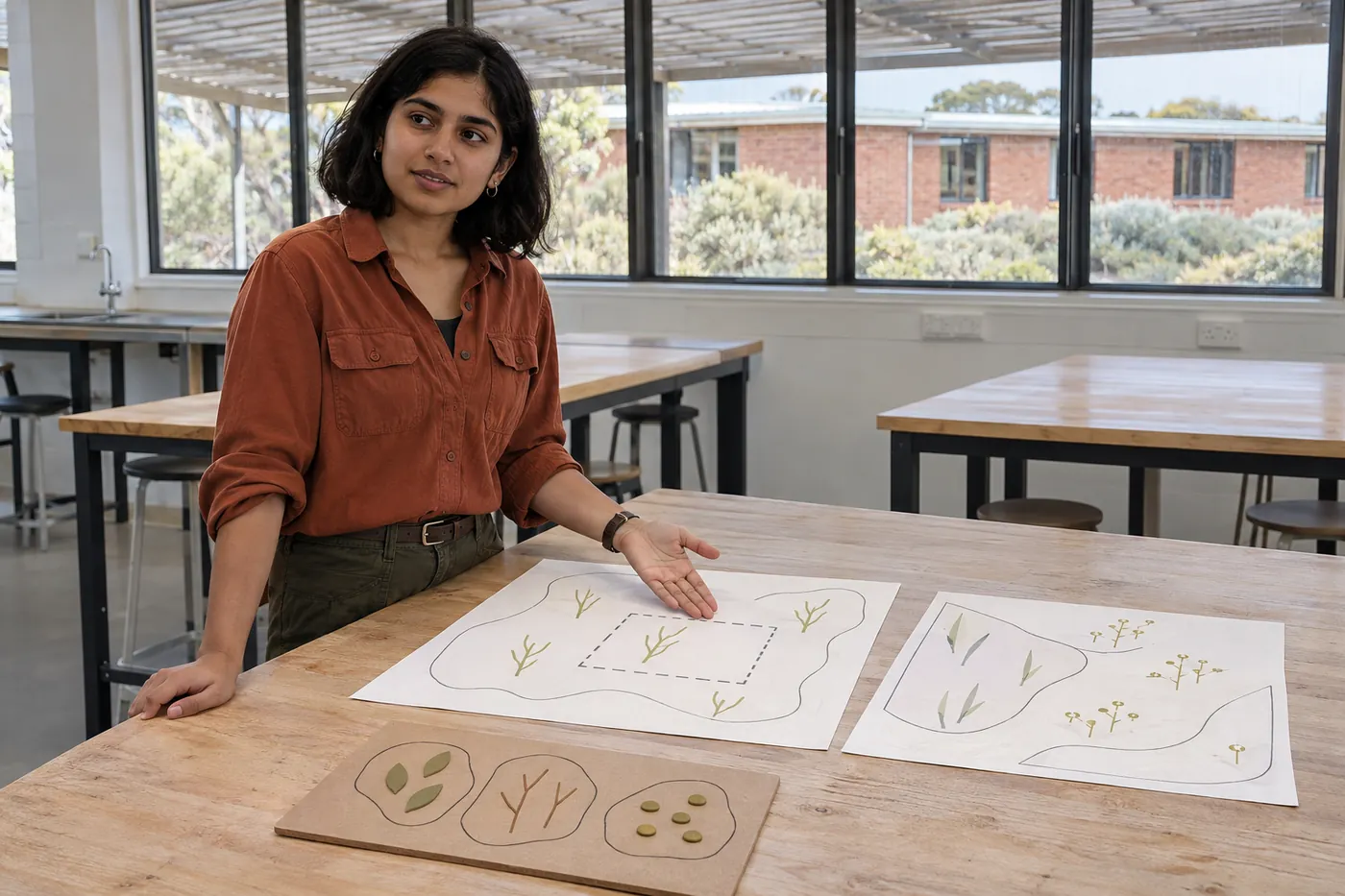
Organism observation
Quiet Creek Comparison
Mina Patel / BIO 301
What can two short organism observations tell a reader when their viewpoints and recording effort are made explicit?
Field Notes
Explore eight student inquiries by question, method and subject.
Read the question, the method, the source and the revision together. All eight inquiries use newly authored simulated classroom materials. Their results do not announce real environmental monitoring, consultation or historical testimony.
8 results
No matching result. Try fewer filters or another word.
Organism observation
Mina Patel / BIO 301
What can two short organism observations tell a reader when their viewpoints and recording effort are made explicit?

Repeated comparison
Caleb Boone / EST 301
How should a comparison change when the sample labels are consistent but the two recording times are not?
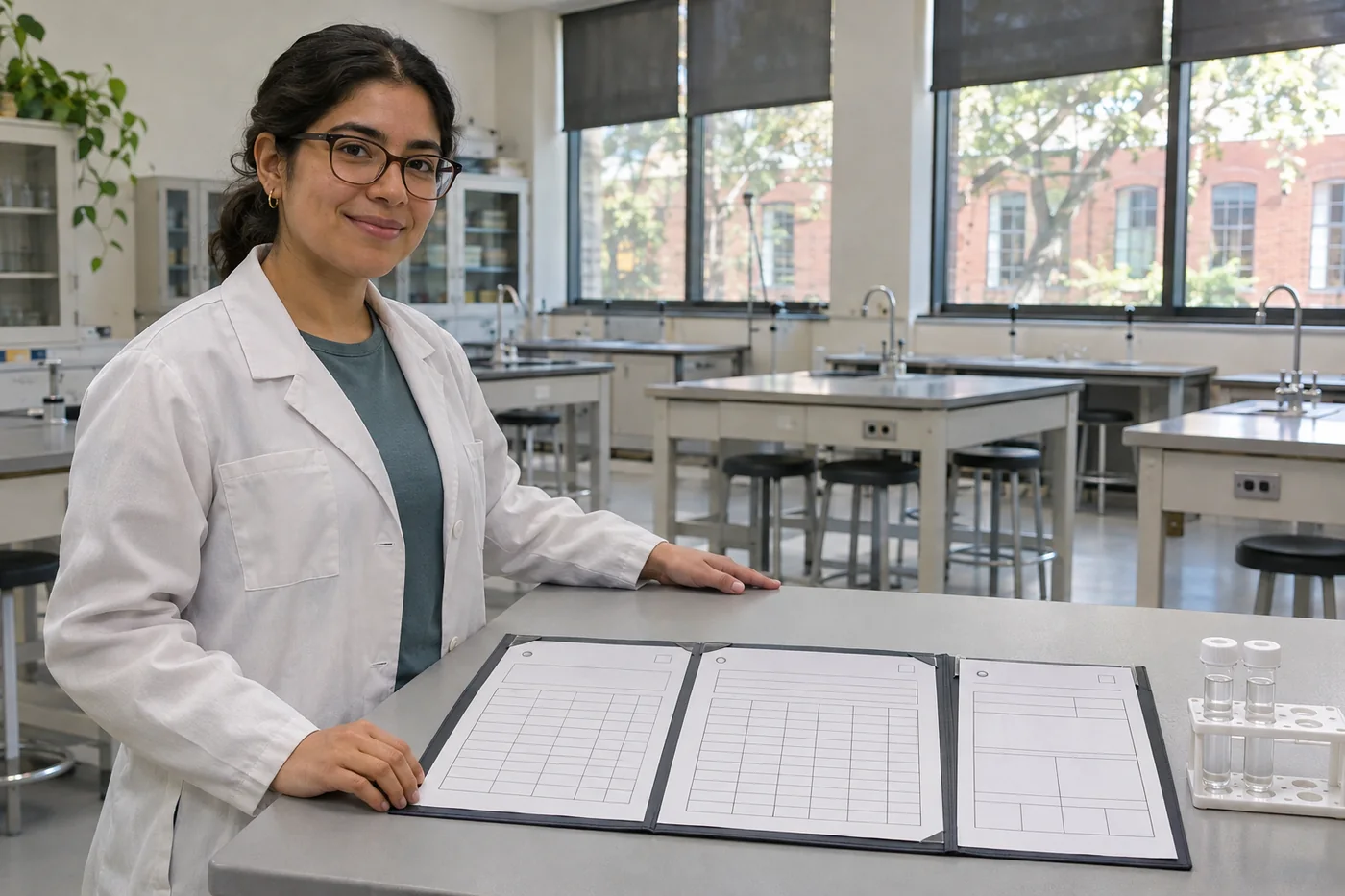
Quality-record review
Renee Soto / WCH 301
What does a numerical result mean when the reader cannot see the quality record that belongs with it?
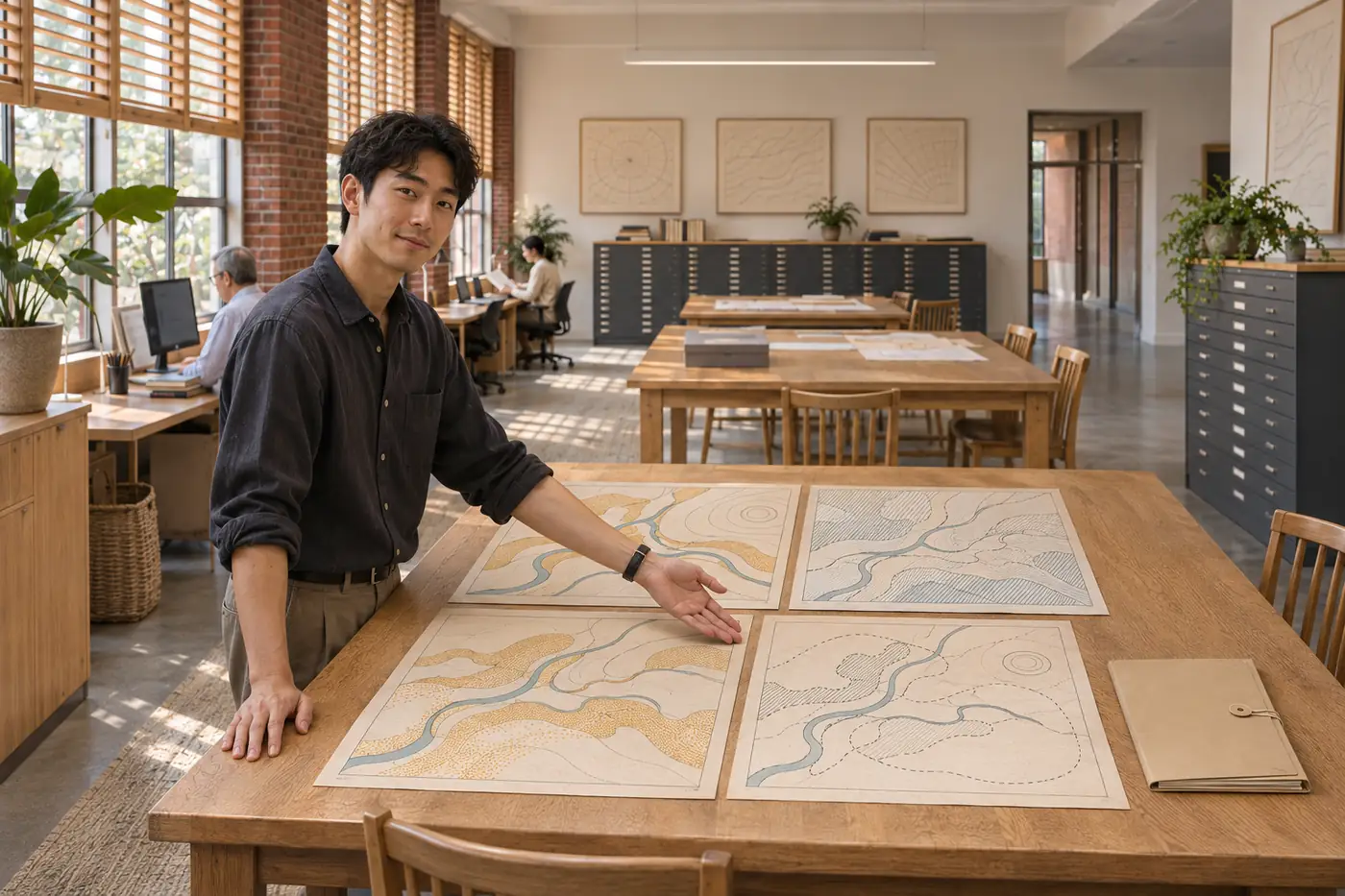
Spatial-source comparison
Aiden Cho / GEO 301
Can an attractive map make its different source dates and coverage gaps understandable at first reading?

Options appraisal
Samira Bell / CPL 301
How can a planning brief compare practical alternatives without implying that a classroom recommendation is a public decision?
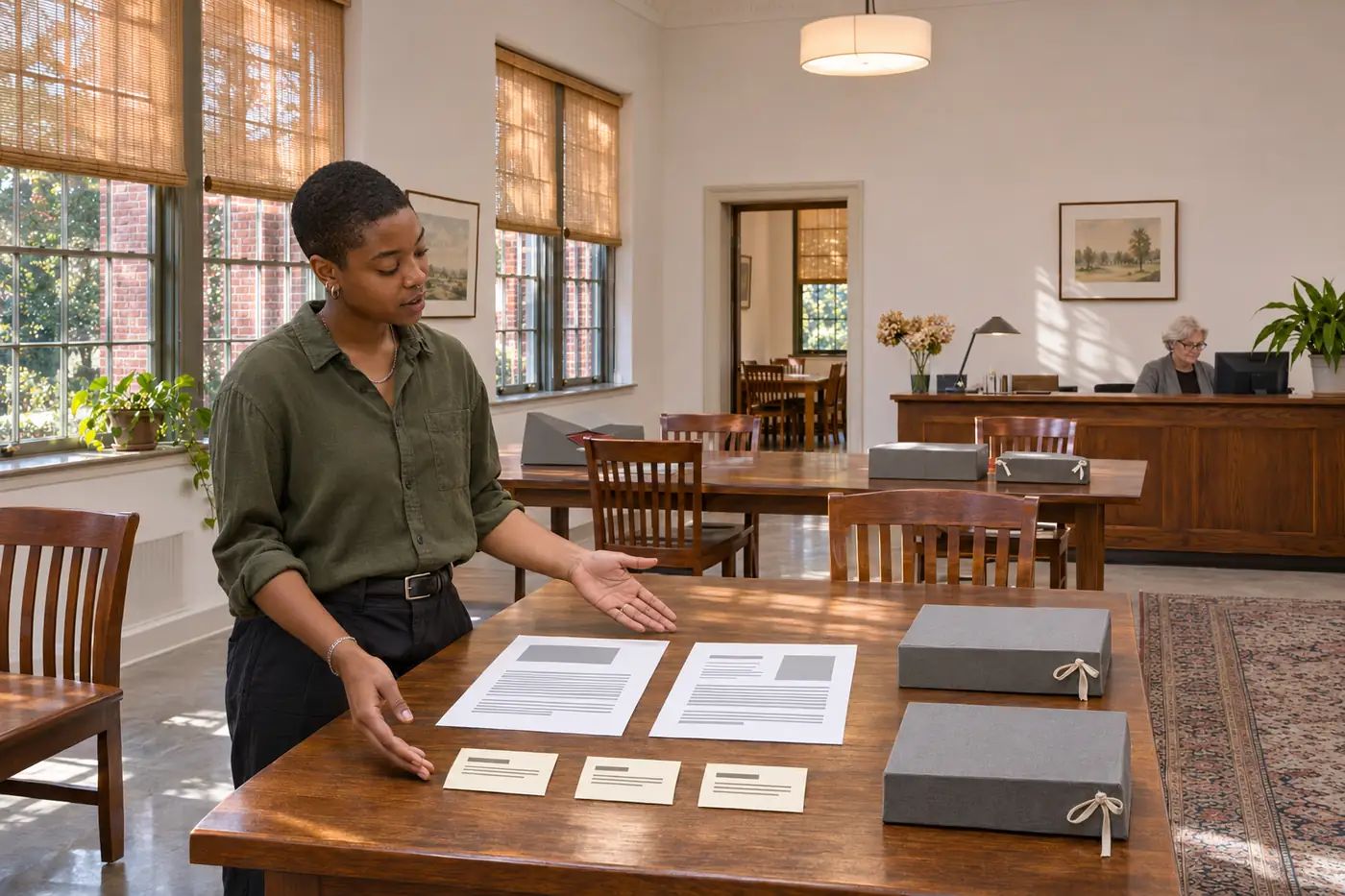
Source interpretation
Rowan Adeyemi / HIS 301
How can a short historical label keep two different accounts visible without inventing a voice to resolve their disagreement?

Audience adaptation
Grace Lin / COM 301
What should change between two versions of a chart, and what must stay attached to the evidence?
Visitor-use scenario
Oscar Duran / TRM 301
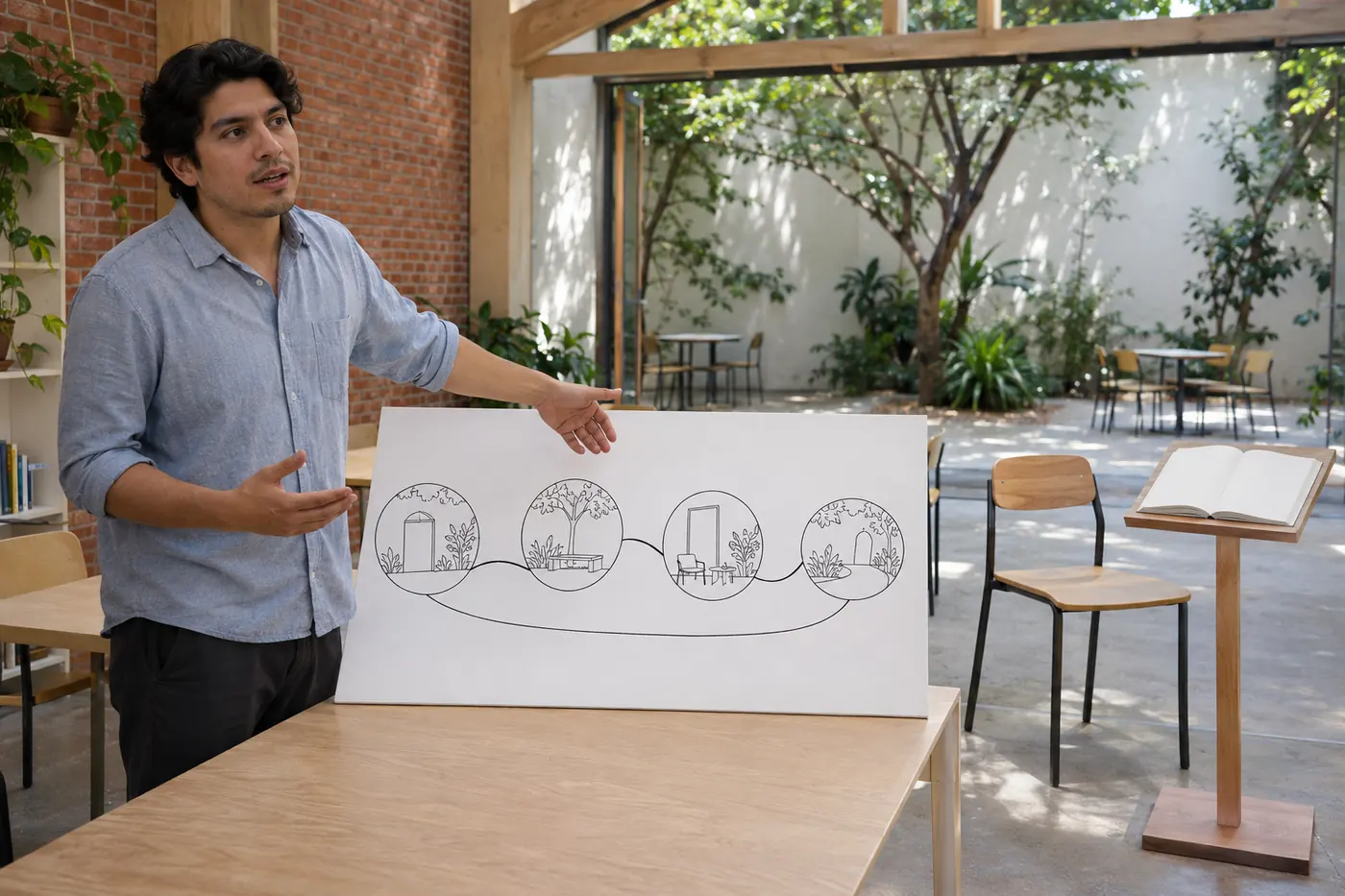
How does a visitor route change when time, circulation and an alternative reading format are treated as real design constraints?